
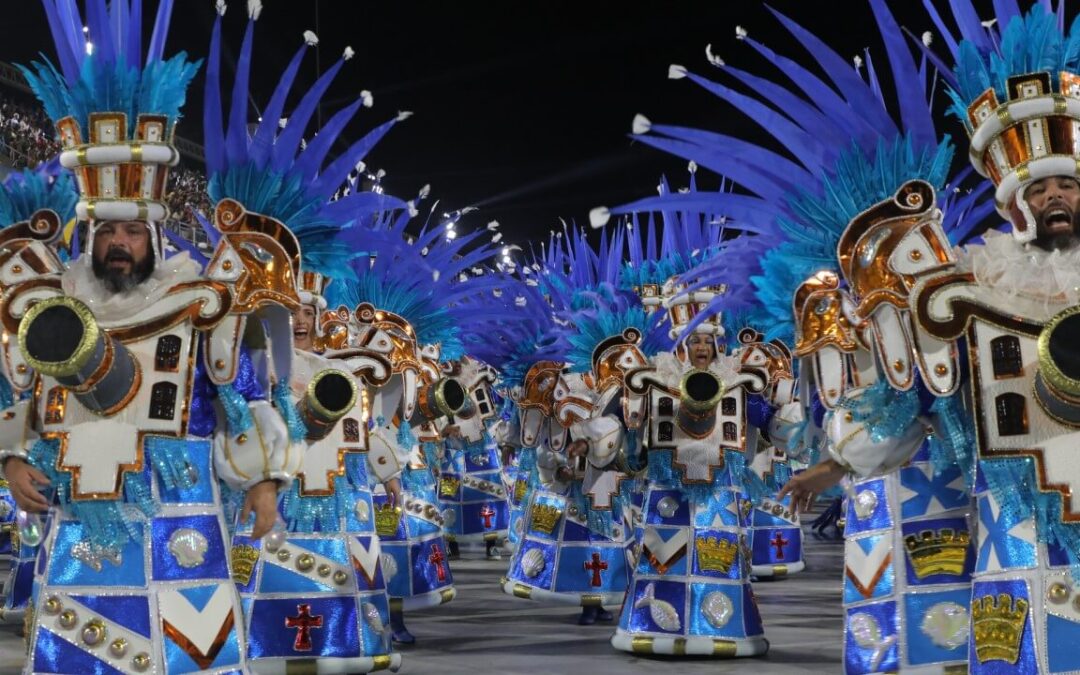
l Brazil’s Carnival is more than just a festival—it is a pulsating explosion of music, dance, culture, and joy that captures the world’s attention every year. Known as the largest carnival celebration on the planet, it attracts millions of visitors from every corner of the globe. Held annually before Lent, Carnival is a mix of European, African, and indigenous influences, blending tradition and creativity in a way that only Brazil can. Samba parades, extravagant costumes, street parties, and electrifying rhythms define this week-long spectacle. Beyond the vibrant displays, Carnival reflects Brazil’s history, cultural diversity, and deep sense of community. Carnival in Brazil, The World’s Biggest Festival
This article will take you through the origins of Carnival, its cultural significance, the grand celebrations across different cities, and why it continues to be the ultimate bucket-list event for travelers. Carnival in Brazil, The World’s Biggest Festival
Origins and History of Brazilian Carnival
The roots of Brazilian Carnival date back to the Portuguese colonial period. It was influenced by the European tradition of Entrudo, a pre-Lenten festival where people would throw water, food, and colored powders at one another. Over time, African cultural influences—brought through the transatlantic slave trade blended with Portuguese customs, adding rhythm, drumming, and dance to the festivities. Samba, a genre deeply connected to Afro-Brazilian culture, became the heartbeat of the celebration. Carnival in Brazil, The World’s Biggest Festival. HOME
By the early 20th century, Carnival evolved into an organized spectacle, especially in Rio de Janeiro. Samba schools (known as escolas de samba) were formed, and elaborate parades became the central feature of the celebrations. Today, Carnival is celebrated in cities and towns across Brazil, each adding its unique flavor. Carnival in Brazil, The World’s Biggest Festival.

Table of Contents
When and Where Carnival Happens
Brazil’s Carnival usually takes place in February or early March, depending on the dates of Lent. The most famous celebration occurs in Rio de Janeiro, but other cities—such as Salvador, São Paulo, Recife, and Olinda—also host massive events.Carnival in Brazil, The World’s Biggest Festival
- Rio de Janeiro – Famous for the iconic Sambadrome parades, Rio hosts the largest Carnival in the world, with millions of participants and spectators.
- Salvador – Known for its Afro-Brazilian influence, Salvador’s Carnival is street-based, with massive crowds following music trios elétricos (truck-mounted stages).
- Recife & Olinda – Home to Frevo and Maracatu music styles, these cities host some of the most traditional and culturally rich celebrations.The Heart of Carnival: Samba and the Parades
- At the center of Brazilian Carnival is samba, a music and dance form that originated from Afro-Brazilian communities in the early 20th century. Samba is more than entertainment it’s a cultural identity.
- Samba Schools
- Samba schools are community organizations that spend an entire year preparing for Carnival. Each school chooses a theme (known as enredo), designs elaborate floats, choreographs dances, and creates costumes. The competition is fierce—schools are judged on criteria such as theme interpretation, costumes, music, and overall performance.
- The Sambadrome
- In Rio, the Sambadrome Marquês de Sapucaí is the epicenter of the parade. Thousands of dancers, drummers, and performers move down the 700-meter runway, dazzling the audience with vibrant colors, feathers, sequins, and theatrical storytelling. These performances are not only artistic showcases but also expressions of social, historical, and political commentary .Carnival in Brazil,The World’s Biggest Festival
Street Parties (Blocos de Rua)
While the Sambadrome parades are ticketed events, the blocos are free street parties open to everyone. They range from small neighborhood gatherings to massive events attracting hundreds of thousands of revelers.Carnival in Brazil,The World’s Biggest Festival
Some famous blocos include:
- Cordão da Bola Preta (Rio) – The oldest and largest bloco, attracting millions.
- Monobloco – Famous for blending samba with funk, reggae, and pop music.
- Olinda’s Giant Puppets – In Pernambuco, towering papier-mâché figures parade through the streets.
Blocos are an essential part of Carnival, offering an inclusive, spontaneous, and high-energy way to celebrate.Carnival in Brazil,The World’s Biggest Festival
Costumes and Creative Expression
One of the most striking features of Carnival is the costume culture. Samba school participants wear elaborate outfits often adorned with feathers, rhinestones, and sequins. Each costume is designed to align with the parade’s theme and can take months to create.
For the street Carnival, attendees wear anything from colorful wigs and glitter to humorous or satirical costumes. Dressing up is a way for people to express individuality, humor, and creativity while contributing to the festival’s visual spectacle. Carnival in Brazil, The World’s Biggest Festival
Music Beyond Samba
Although samba dominates, Brazil’s Carnival is a fusion of many musical styles:
- Axé – Popular in Salvador, featuring upbeat, high-energy rhythms.
- Frevo – A fast-paced dance and music style from Recife and Olinda.
- Maracatu – Traditional Afro-Brazilian percussion music.
- Funk Carioca – A Rio-born genre that often blends with samba during blocos.
Each city’s Carnival reflects its cultural heritage, making music a vital storytelling tool. Carnival in Brazil,The World’s Biggest Festival
Economic and Cultural Impact
Carnival is not only a cultural treasure but also an economic powerhouse. It generates billions of reais (Brazilian currency) annually, driven by tourism, hospitality, and entertainment industries. Hotels, restaurants, costume designers, musicians, and event organizers all benefit from the festival.
On a deeper level, Carnival reinforces community bonds, celebrates diversity, and preserves Afro-Brazilian traditions. Samba schools often operate as year-round cultural centers, offering music, dance, and art education to youth in underprivileged neighborhoods. Carnival in Brazil,The World’s Biggest Festival
Carnival and Social Commentary
While Carnival is joyful, it often carries powerful social and political messages. Many samba school themes address historical events, racial inequality, environmental issues, and government corruption. Costumes and floats become vehicles for storytelling, blending entertainment with activism.Carnival in Brazil,The World’s Biggest Festival
Experiencing Carnival as a Visitor
Tips for Enjoying Carnival
- Plan Early – Book accommodations months in advance, as prices rise dramatically during Carnival season.
- Choose Your City – Decide between Rio’s grandeur, Salvador’s street energy, Recife’s traditions, or smaller-town celebrations.
- Join a Bloco – Street parties are the most authentic way to mingle with locals.
- Stay Safe – Keep valuables secure, and be aware of large crowds.
- Embrace the Spirit – Wear colorful clothes, dance, and enjoy without inhibition.
Must-See Events in Rio Carnival
- Opening Ceremony – Kicks off with the crowning of King Momo, the symbolic ruler of Carnival.
- Samba School Parades – Held over two nights in the Sambadrome, with top-tier schools competing.
- Champions’ Parade – The winning schools perform again for an encore celebration.
- Bloco Festivities – Over 500 blocos happen throughout the city.
Carnival Beyond Brazil
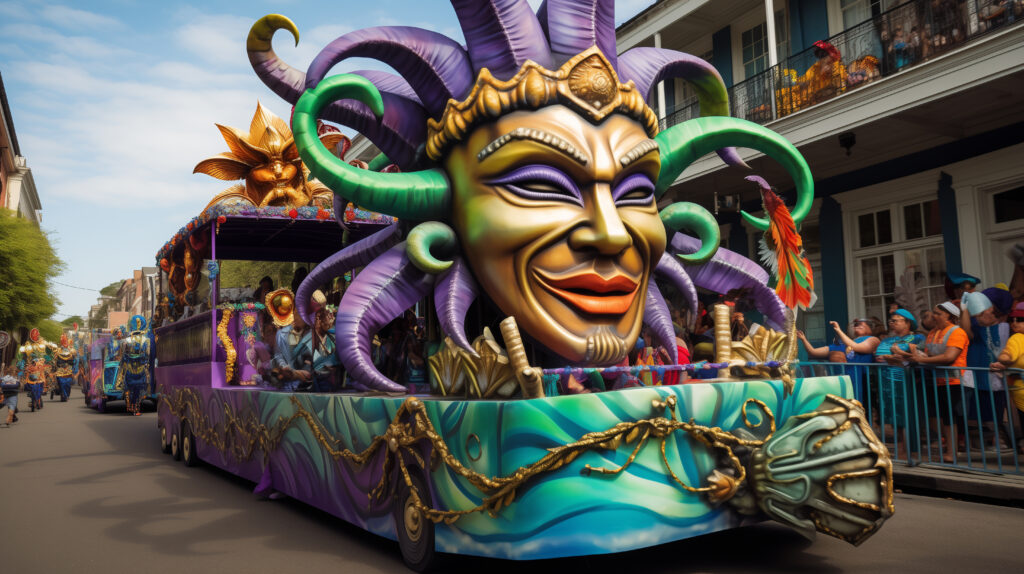
The influence of Brazil’s Carnival has spread globally, inspiring festivals in cities like Notting Hill in London, Trinidad and Tobago, and New Orleans’ Mardi Gras. However, Brazil’s celebration remains unmatched in scale, energy, and cultural depth.
Why Carnival Matters
Carnival is more than a party—it’s a living expression of Brazil’s soul. It celebrates the resilience, creativity, and unity of a nation shaped by diverse influences. For Brazilians, Carnival is a cultural right, a time to escape daily struggles, and an opportunity to express joy through art, dance, and music.https://www.bucketlistdestination.in/
Conclusion: Carnival in Brazil, The World’s Biggest Festival
Brazil’s Carnival is a phenomenon unlike any other—a mesmerizing blend of tradition, rhythm, and spectacle that transforms cities into living stages. From the thunder of samba drums in Rio’s Sambadrome to the electric street parties in Salvador and Recife, Carnival captures the heartbeat of Brazil. It’s a celebration of life itself, where strangers become friends, and joy is shared without boundaries. Whether you’re dancing in a bloco, watching the grandeur of the parades, or simply soaking up the atmosphere, experiencing Carnival is stepping into a world where passion, culture, and beauty collide in unforgettable harmony.HOME
For those seeking a once-in-a-lifetime adventure, Brazil’s Carnival is not just an event—it’s the ultimate celebration of the human spirit.