
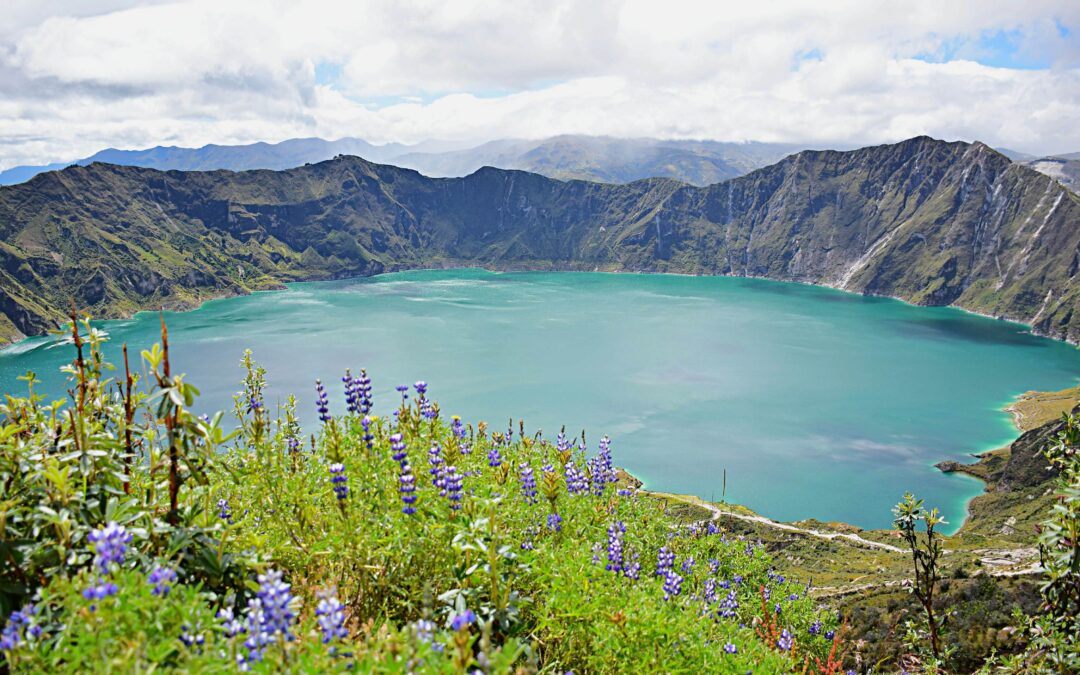
Nestled along the equator on South America’s western edge, Ecuador is a country that captures the imagination of every traveler with its striking diversity and vibrant culture. Despite being one of the continent’s smaller nations, Ecuador offers a breathtaking range of landscapes: from the snowcapped peaks of the Andes Mountains to the lush expanses of the Amazon Rainforest, and from bustling colonial cities to the pristine beaches of the Pacific coast. Most famously, Ecuador is home to the Galápagos Islands, a UNESCO World Heritage Site that played a pivotal role in Charles Darwin’s theory of evolution.Ecuador A Land of Diversity and Timeless Beauty
Yet Ecuador is much more than its geography. It is a place where history, tradition, and modern life coexist harmoniously. Ancient Inca ruins, colorful indigenous markets, colonial architecture, and cosmopolitan cities combine to tell the story of a nation proud of its roots and optimistic about its future. For travelers, Ecuador is a destination that offers an abundance of adventure, culture, and natural wonders. This article takes you on a comprehensive journey through Ecuador’s landscapes, history, culture, cuisine, and travel highlights, offering an in-depth look at why this small yet remarkable country is one of South America’s hidden gems.HOMEEcuador A Land of Diversity and Timeless Beauty.
Table of Contents
Geographic Diversity and Natural Wonders
Ecuador’s compact size belies the vast ecological and geographic variety it encompasses. The country is divided into four distinct regions, each with its own unique charm.Ecuador A Land of Diversity and Timeless Beauty
1. The Sierra (Andean Highlands)
The Sierra region, dominated by the Andes Mountains, is the cultural heart of Ecuador. Here, visitors encounter snowcapped volcanoes like Cotopaxi and Chimborazo, picturesque valleys, and historic towns. Quito, the capital city, lies in this region and is famed for its well-preserved colonial center, designated a UNESCO World Heritage Site. Beyond Quito, towns such as Cuenca and Otavalo reflect the rich indigenous and colonial heritage of the country. Hiking, climbing, and cultural immersion are major draws in the Sierra.Ecuador A Land of Diversity and Timeless Beauty
2. The Amazon (Oriente)
To the east lies the Oriente, Ecuador’s portion of the Amazon Rainforest. Dense jungles, winding rivers, and unparalleled biodiversity make this region a paradise for eco-tourists and adventurers. National parks like Yasuni and Cuyabeno offer opportunities for wildlife spotting, canoeing, and learning about the indigenous communities that have thrived here for centuries. The Amazon represents the wild, untouched beauty of Ecuador.
3. The Coast (La Costa)
The coastal region is characterized by tropical beaches, mangroves, and fertile farmland. Popular coastal cities such as Guayaquil, Ecuador’s largest city, provide a modern, urban experience, while smaller towns like Montañita attract surfers and backpackers. The coast is also known for its delicious seafood cuisine, particularly ceviche. Mangrove forests and coastal national parks offer quieter escapes for nature lovers.Ecuador A Land of Diversity and Timeless Beauty
4. The Galápagos Islands
Perhaps the most iconic part of Ecuador is the Galápagos Islands, located about 1,000 kilometers off the mainland. Famous for their unique flora and fauna, these volcanic islands remain one of the world’s greatest natural laboratories. Visitors can spot giant tortoises, blue-footed boobies, and marine iguanas, often up close, due to the animals’ lack of fear of humans. Strict conservation measures ensure the protection of this fragile ecosystem, making it a must-visit destination for eco-conscious travelers.Ecuador A Land of Diversity and Timeless Beauty
History and Heritage
Ecuador’s history is as diverse as its geography. Before the arrival of the Spanish, the land was home to various indigenous groups and eventually became part of the mighty Inca Empire. Ruins such as Ingapirca bear testimony to this era. With the Spanish conquest in the 16th century, Ecuador became a colonial stronghold, leaving behind an enduring legacy of baroque churches, plazas, and European-influenced art.
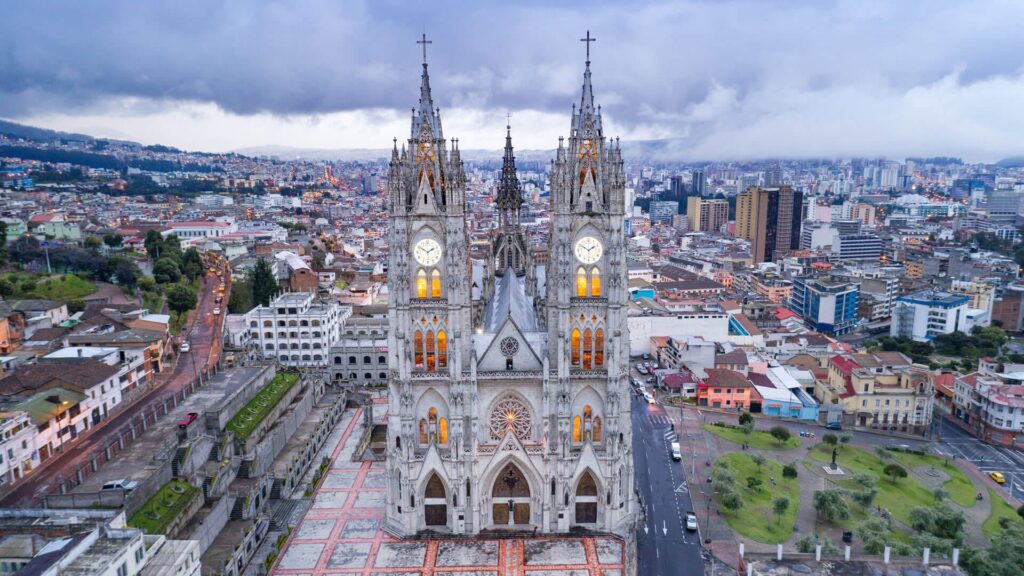
Quito and Cuenca, both UNESCO sites, preserve some of the finest colonial architecture in Latin America. Quito’s Old Town, with its grand cathedrals and ornate monasteries, is a living museum of Spanish colonialism blended with indigenous traditions. Independence from Spain came in the early 19th century, and today, Ecuador embraces its multicultural heritage, combining indigenous customs, African influences, and European traditions into a vibrant national identity.
Culture and Traditions
Ecuadorian culture is a celebration of diversity. The country recognizes 14 indigenous nationalities, each with its own language, customs, and traditions. Festivals, music, and handicrafts are central to cultural life.
One of the most famous events is the Inti Raymi, the Festival of the Sun, celebrated in June to honor the Incan sun god. Carnival, celebrated before Lent, is another lively event, with parades, water fights, and street parties across the country. Indigenous markets, such as the famous Otavalo Market, showcase colorful textiles, jewelry, and crafts, reflecting centuries of artisanal skill.Ecuador A Land of Diversity and Timeless Beauty
Music and dance also play an important role, ranging from traditional Andean tunes played with pan flutes to Afro-Ecuadorian rhythms along the coast. These cultural expressions make Ecuador a nation where tradition is always alive and thriving.
Cuisine of Ecuador
Food in Ecuador reflects its varied geography and multicultural heritage. Each region has its specialties, and trying local dishes is an essential part of experiencing the country.Ecuador A Land of Diversity and Timeless Beauty
- Sierra Cuisine: The highlands are known for hearty meals featuring potatoes, corn, and meat. Popular dishes include locro de papa (potato soup with cheese and avocado) and roasted guinea pig, a traditional delicacy.
- Amazonian Cuisine: Fish, plantains, and yucca dominate Amazonian dishes, with unique flavors like grilled river fish wrapped in banana leaves.
- Coastal Cuisine: Seafood is king on the coast, with ceviche being a national favorite. Coconut-based stews and fried plantains are also staples.
- Galápagos Cuisine: With influences from both the mainland and the ocean, Galápagos cuisine often highlights fresh seafood with tropical flavors.Ecuador A Land of Diversity and Timeless Beauty
Ecuador’s culinary traditions mirror the country’s diversity, offering something for every palate.
Travel Highlights and Experiences.Ecuador A Land of Diversity and Timeless Beauty
Travelers to Ecuador are spoiled for choice, as the country caters to adventurers, history buffs, and nature lovers alike. Some of the top highlights include:
- Quito: Explore the historic Old Town, ride the TelefériQo cable car for panoramic views, and visit Mitad del Mundo, the monument marking the equator.
- Cuenca: Known for its colonial charm, cobbled streets, and art scene, Cuenca is a UNESCO treasure.
- Otavalo: Famous for its indigenous market, it’s the perfect place to shop for textiles and handicrafts.
- Baños: A hub for adventure sports like rafting, canyoning, and biking, located near stunning waterfalls and hot springs.
- The Avenue of Volcanoes: A scenic stretch of the Andes dotted with towering volcanoes, ideal for hiking and photography.
- Amazon Rainforest: Guided tours offer close encounters with exotic wildlife and insight into indigenous traditions.
- Galápagos Islands: A once-in-a-lifetime destination for wildlife enthusiasts, divers, and photographers.
Whether you are scaling peaks, strolling through colonial towns, or lounging on a tropical beach, Ecuador offers experiences that are rich and varied.Ecuador A Land of Diversity and Timeless Beauty
Sustainability and Conservation
Ecuador has made significant efforts toward sustainability and conservation, recognizing the importance of preserving its fragile ecosystems. The Galápagos Islands are one of the most tightly protected areas on Earth, with visitor numbers strictly regulated. National parks and reserves across the mainland also protect biodiversity while supporting eco-tourism initiatives. Indigenous communities play an active role in sustainable tourism, offering eco-lodges and cultural experiences that promote both environmental protection and economic empowerment.Ecuador A Land of Diversity and Timeless Beauty
The Geography of Ecuador
Ecuador, though one of the smallest countries in South America, boasts an extraordinary range of geographic diversity that sets it apart as a unique destination. Straddling the equator, from which it derives its name, Ecuador offers a landscape where towering volcanoes, lush rainforests, fertile valleys, and pristine coastlines coexist within a relatively compact area. This diversity is one of the country’s most defining features and plays a vital role in its cultural richness and biodiversity.Ecuador A Land of Diversity and Timeless Beauty
Four Geographic Regions
Ecuador is traditionally divided into four distinct geographic regions: the Sierra (Andean Highlands), the Costa (Coastal Lowlands), the Oriente (Amazon Basin), and the Galápagos Islands. Each region presents its own natural beauty, climate, and way of life.Ecuador A Land of Diversity and Timeless Beauty
The Sierra
Running north to south, the Andes Mountains form the backbone of the country. Known as the Sierra, this highland region is home to snowcapped peaks, fertile valleys, and active volcanoes such as Cotopaxi and Chimborazo. Quito, the nation’s capital, lies in this region, nestled among Andean ridges at an elevation of nearly 2,850 meters. The Sierra is not only a geographic marvel but also a cultural hub, dotted with historic cities, indigenous villages, and terraced farmlands.Ecuador A Land of Diversity and Timeless Beauty
The Oriente
East of the Andes lies the Oriente, Ecuador’s share of the Amazon Rainforest. This region is characterized by dense jungle, winding rivers, and immense biodiversity. Yasuni National Park and Cuyabeno Wildlife Reserve are global hotspots for wildlife, housing countless bird species, amphibians, and mammals. The Oriente’s tropical climate contrasts sharply with the cool mountain air of the Sierra, making it one of the most ecologically significant areas in the world.Ecuador A Land of Diversity and Timeless Beauty
The Costa
Stretching along the Pacific Ocean, the Costa is a lowland region defined by sandy beaches, mangrove forests, and agricultural lands. The fertile plains of the coast are ideal for growing bananas, cacao, and coffee, which form key components of Ecuador’s economy. Cities such as Guayaquil, the nation’s largest urban center, and beach towns like Salinas and Montañita showcase the region’s blend of modern urban development and laid-back coastal charm.Ecuador A Land of Diversity and Timeless Beauty
The Galápagos Islands
Located about 1,000 kilometers offshore, the Galápagos Islands are Ecuador’s most famous geographic treasure. These volcanic islands are renowned for their unique wildlife, such as giant tortoises, marine iguanas, and blue-footed boobies. Declared a UNESCO World Heritage Site, the Galápagos serve as a living laboratory of evolution and attract researchers and eco-tourists from around the globe.
Climate and Natural Features
Because of its diverse geography, Ecuador experiences a wide range of climates. The Sierra has a temperate climate with cool nights, while the Oriente is hot and humid year-round. The Costa enjoys tropical weather, with a wet and dry season, and the Galápagos features a subtropical climate influenced by ocean currents.https://www.bucketlistdestination.in/
Conclusion
Ecuador’s geography is a striking example of how variety can thrive within a small area. Its four distinct regions, the Sierra, Oriente, Costa, and Galápagos, offer a mix of mountains, jungles, coasts, and islands that few countries can rival. This geographic richness not only shapes the country’s ecosystems but also influences its culture, agriculture, and way of life, making Ecuador a true gem at the heart of South America.Ecuador A Land of Diversity and Timeless Beauty
Ecuador may be small in size, but it is immense in beauty, history, and cultural richness. From the enchanting Galápagos Islands to the vibrant markets of Otavalo, from the peaks of the Andes to the depths of the Amazon, this is a land where diversity thrives. Ecuador invites travelers to explore its landscapes, embrace its traditions, and experience its warm hospitality.Ecuador A Land of Diversity and Timeless Beauty
For those seeking adventure, cultural immersion, or simply the chance to stand at the middle of the world, Ecuador is a destination that promises unforgettable experiences. It is a country where past and present coexist harmoniously, where every corner reveals something new, and where nature and humanity intertwine in remarkable ways. In the grand tapestry of South America, Ecuador shines as a jewel that continues to inspire, captivate, and welcome all who journey within its borders.Ecuador A Land of Diversity and Timeless Beauty