
New Orleans, Louisiana, often referred to as “The Big Easy,” is one of the most culturally rich and captivating cities in the United States. Known for its distinctive music, vibrant festivals, delicious cuisine, and a unique blend of French, Spanish, African, and Caribbean influences, New Orleans has earned a reputation as a city like no other. Located along the Mississippi River and founded in 1718, it has a history filled with triumph, tragedy, and resilience. Today, New Orleans attracts millions of visitors each year who come to experience its soulful charm, lively neighborhoods, and unforgettable energy.Best time to visit New Orleans the Soulful Heart of Louisiana
This article explores the history, culture, cuisine, music, architecture, and modern-day appeal of New Orleans, painting a picture of why this city continues to enchant the world.HOME
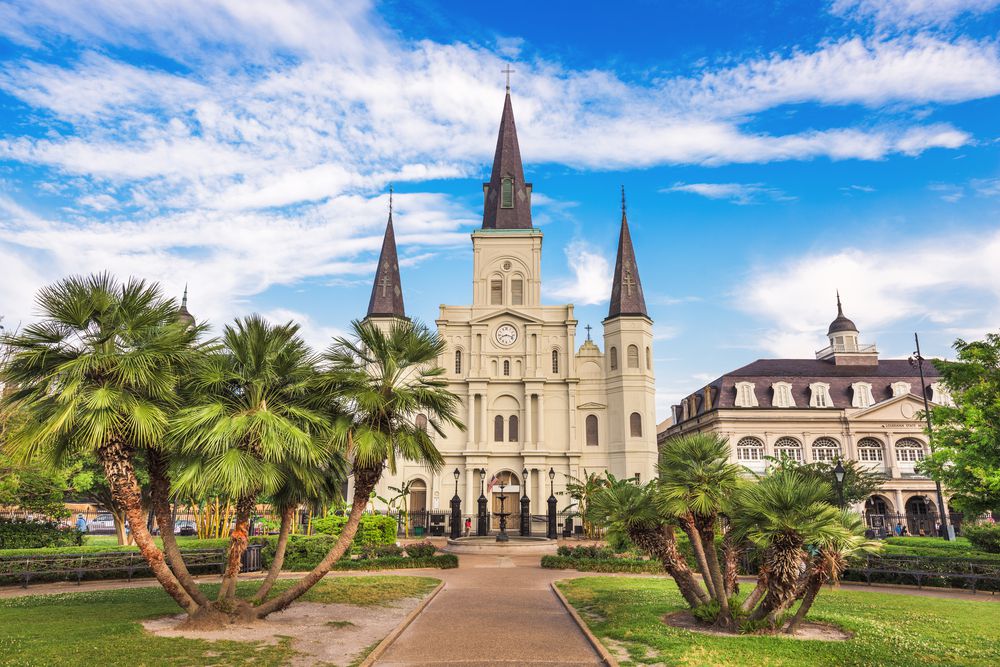
Table of Contents
A Brief History of New Orleans
New Orleans has always stood out as a city of multicultural influences. Founded by the French in the early 18th century, the city quickly grew as a vital port along the Mississippi River. In 1763, it came under Spanish rule before being returned to France and later sold to the United States through the Louisiana Purchase in 1803. Each ruling nation left behind cultural imprints visible in the city’s architecture, food, and traditions.Best time to visit New Orleans the Soulful Heart of Louisiana
New Orleans also became an important hub for the African diaspora. Enslaved Africans brought with them cultural practices, rhythms, and spiritual traditions that would eventually blend with European customs. This fusion gave rise to jazz music, Creole culture, and even spiritual practices like voodoo, which remain significant elements of the city’s identity.Best time to visit New Orleans the Soulful Heart of Louisiana
The city’s history has not been without hardship. Hurricane Katrina in 2005 devastated New Orleans, flooding neighborhoods and displacing thousands of residents. Yet, the resilience of its people, who rebuilt and restored the city, is a testament to the enduring spirit of New Orleans.Best time to visit New Orleans the Soulful Heart of Louisiana
The Cultural Tapestry of the Big Easy
One of the defining features of New Orleans is its cultural diversity. French, Spanish, African, and Caribbean traditions mix in ways that are uniquely expressed in daily life. This cultural tapestry is especially visible in the city’s celebrations, religious traditions, and art.
Mardi Gras
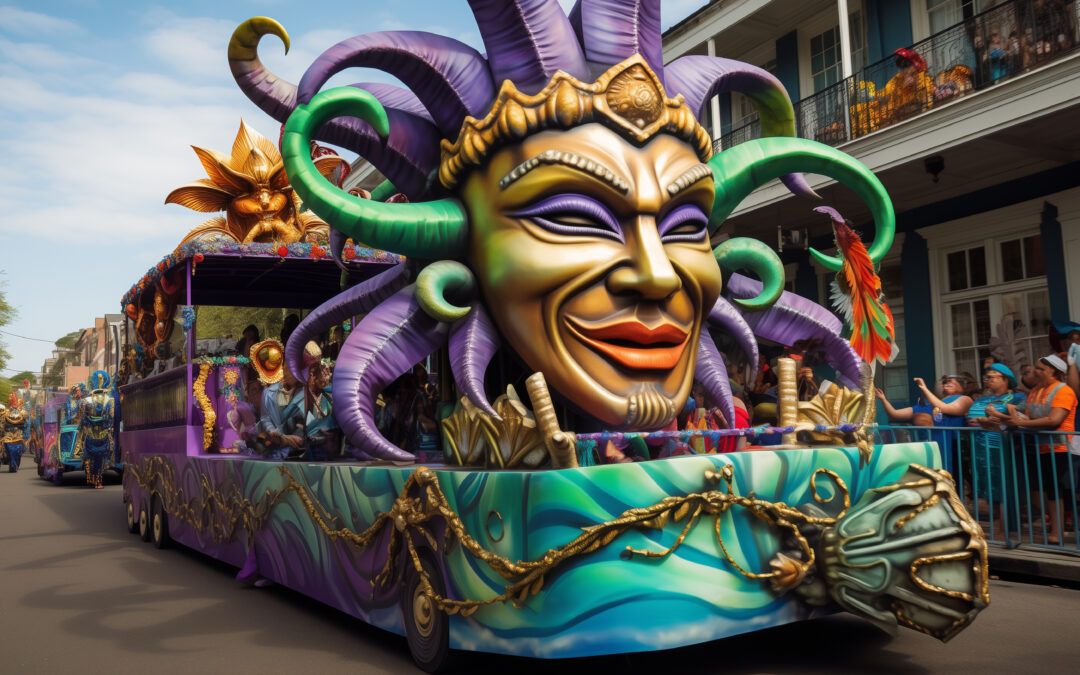
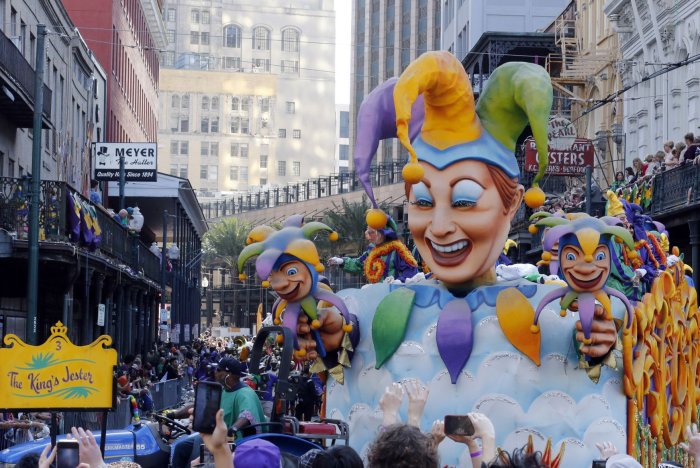
Perhaps the most famous event associated with New Orleans is Mardi Gras, a grand festival of parades, costumes, music, and food that takes place every year before Lent. Mardi Gras is more than a tourist attraction—it is a deeply rooted cultural celebration that dates back centuries. Colorful floats, masked performers, and the throwing of beads and trinkets (“throws”) make this one of the world’s most iconic carnivals.
Voodoo and Spiritual Traditions
Voodoo, which combines African spiritual practices with Catholicism, has long been part of New Orleans’ cultural identity. Visitors often find voodoo shops, museums, and even guided tours that explore its history and influence. While often misunderstood, voodoo in New Orleans represents resilience, healing, and connection to ancestry.Best time to visit New Orleans the Soulful Heart of Louisiana
Festivals and Art
In addition to Mardi Gras, New Orleans hosts festivals throughout the year, such as the New Orleans Jazz & Heritage Festival, the French Quarter Festival, and the Essence Festival, all of which celebrate music, food, and culture. The city’s vibrant art scene is visible in galleries, street murals, and local artisan markets that showcase the creativity of its people.Best time to visit New Orleans the Soulful Heart of Louisiana
Music: The Birthplace of Jazz.Best time to visit New Orleans
New Orleans is often called the birthplace of jazz, and music is the heartbeat of the city. Jazz originated here in the early 20th century, combining African rhythms, blues, ragtime, and European instruments to create a new genre that changed the world of music. Legendary musicians such as Louis Armstrong, Jelly Roll Morton, and Buddy Bolden all emerged from the city’s musical traditions.
Even today, music is everywhere in New Orleans. Walk through the French Quarter, and you’ll hear brass bands, blues guitarists, and jazz ensembles performing on the streets. Bourbon Street and Frenchmen Street are famous for their live music clubs, where visitors can enjoy everything from jazz and blues to funk, soul, and zydeco.
Music in New Orleans is not confined to formal settings; it’s part of everyday life. From second-line parades with marching bands to gospel choirs in local churches, music creates a rhythm that defines the city’s soul.
The Flavors of New Orleans Cuisine
If music is the soul of New Orleans, then food is its heart. The city’s cuisine reflects its cultural melting pot, blending French, Spanish, African, and Caribbean influences into dishes that are flavorful, hearty, and unforgettable.Best time to visit New Orleans the Soulful Heart of Louisiana
Creole and Cajun Cuisine
Creole cuisine, with its French and Spanish roots, is characterized by rich sauces, seafood, and spices. Dishes like gumbo, jambalaya, and red beans and rice are staples in Creole households. Cajun cuisine, meanwhile, is more rustic, originating from French-speaking Acadians who settled in Louisiana. Crawfish boils, étouffée, and boudin sausage are all Cajun favorites.Best time to visit New Orleans the Soulful Heart of Louisiana
Street Food and Local Delights
New Orleans is also famous for its street food and casual dining. The po’ boy sandwich, typically filled with fried shrimp or roast beef, is a must-try. Sweet treats like beignets, served with powdered sugar at Café du Monde, are iconic to the city.
Seafood Paradise
Given its location along the Gulf of Mexico, New Orleans boasts some of the freshest seafood in the country. Oysters, crawfish, shrimp, and catfish are featured in countless dishes, often seasoned with bold spices.
Dining in New Orleans is more than just eating—it’s an experience. Meals are often shared with music, conversation, and celebration, making food a central part of the city’s culture.
The French Quarter and Architectural Charm
The French Quarter is the oldest neighborhood in New Orleans and perhaps its most famous. With cobblestone streets, wrought-iron balconies, and brightly painted buildings, it reflects the city’s European heritage. Landmarks like Jackson Square, St. Louis Cathedral, and the lively Bourbon Street attract millions of visitors each year.Best time to visit New Orleans the Soulful Heart of Louisiana
Beyond the French Quarter, New Orleans boasts distinct neighborhoods with unique architectural styles. The Garden District is known for its grand antebellum mansions surrounded by oak trees. The Bywater and Marigny neighborhoods feature colorful Creole cottages and a bohemian atmosphere.Best time to visit New Orleans the Soulful Heart of Louisiana
One of the city’s most unique features is its system of above-ground cemeteries, often referred to as “cities of the dead.” Due to the city’s low elevation and swampy terrain, traditional burials were impossible, leading to the creation of ornate tombs and mausoleums. Many cemeteries, like St. Louis Cemetery No. 1, have become historic landmarks.Best time to visit New Orleans the Soulful Heart of Louisiana
Resilience and Modern-Day New Orleans
New Orleans has faced its share of challenges, particularly in the aftermath of natural disasters like Hurricane Katrina. In 2005, much of the city was submerged under floodwaters, and thousands of residents were displaced. Yet, the people of New Orleans rebuilt their city with remarkable resilience, restoring neighborhoods, cultural sites, and traditions.
Today, New Orleans is thriving once again, attracting both tourists and new residents drawn by its cultural vibrancy. The city continues to innovate while preserving its traditions. Its food, music, and festivals remain strong, while new art galleries, tech startups, and community projects add to its modern appeal.Best time to visit New Orleans the Soulful Heart of Louisiana
Sustainability and climate resilience are now major priorities, as the city invests in infrastructure to protect itself from future flooding and storms. This balancing act, preserving history while preparing for the future, defines modern New Orleans.Best time to visit New Orleans the Soulful Heart of Louisiana
Conclusion
New Orleans is more than just a city; it is a living, breathing cultural masterpiece. With its rich history, vibrant festivals, world-class music, mouthwatering cuisine, and resilient people, New Orleans embodies a spirit that is both soulful and joyful. Whether it’s the rhythms of jazz echoing down Frenchmen Street, the taste of a fresh beignet dusted with sugar, or the vibrant colors of a Mardi Gras parade, every moment in New Orleans feels alive with meaning.Best time to visit New Orleans the Soulful Heart of Louisiana
For visitors, New Orleans is a city of discovery, a place to savor, dance, and celebrate life. For its residents, it is home, a community rooted in history yet always evolving. In a world where so many cities feel alike, New Orleans stands apart as a destination that cannot be replicated.https://www.bucketlistdestination.in/
To experience New Orleans is to experience the heart and soul of Louisiana and to leave with memories that last a lifetime.