The Biologist’s Paradise of the Gulf of Mannar
What can we do in Kurusadai Island?Things to do in Kurusadai Island
Nestled off the southern coast of India, Kurusadai Island is a dazzling jewel in the Gulf of Mannar. This uninhabited island, part of the Rameswaram archipelago in Tamil Nadu, is celebrated for its pristine biodiversity, vibrant coral reefs, and crucial role in marine research and conservation. Often lauded as the “Biologist’s Paradise,” Kurusadai Island stands out not only for its natural beauty but also for its immense ecological and scientific significance. HOME.
Table of Contents
Geography and Location.
Kurusadai Island lies just south of Pamban Island, at coordinates 9°12′N 79°10′E, covering a modest area of about 0.658km². The island is situated between the mainland at Mandapam and Pamban, approximately 20km from Rameswaram town and only 4–6km from the coast, making it accessible via short boat rides. It forms a part of the prestigious Gulf of Mannar Marine National Park, which comprises 21 islands divided into four groups, with Kurusadai belonging to the Mandapam cluster.
Historical Background.
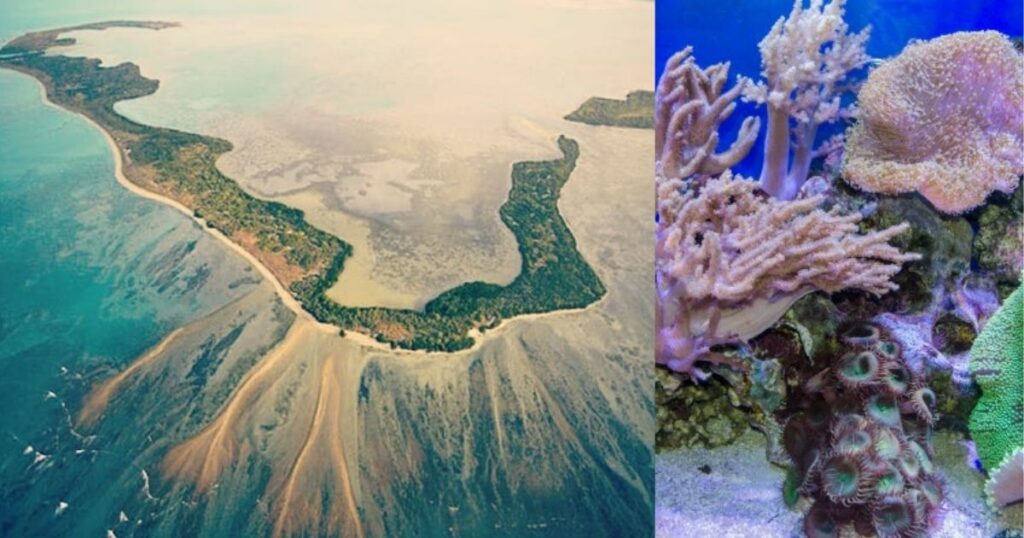
The island’s name and legacy are intimately tied to India’s spiritual and colonial past. Kurusadai’s unique contour, featuring thick algal seaweeds, mangroves, and coral reefs, is said to resemble the matted locks of Lord Dakshinamurti, a form of Lord Shiva. Historical records suggest that the island once belonged to the Raja of Ramnad (Sethupathi) and was sold to the British Madras Presidency in 1914, paving the way for the establishment of marine research stations.
Marine studies in the region date back to the late 19th century, with the popularity of Kurusadai Island growing after the inauguration of the Kurusadai Marine Biological Station in 1914. This station became a hub for scientists, teachers, and students fascinated by the diversity and richness of marine life. Despite periods of neglect, the legacy of this research station endures in India’s scientific community.Things to do in Kurusadai Island
Habitat and Ecological Features
Coral Reefs
The island is encircled by Galaxea Reef, named after its most prolific coral genus. This reef is visible during low tide and is comprised of intricate structures of living and dead coral—the backbone of the region’s spectacular marine biodiversity. These shallows serve as nurseries and shelter for countless species, from sponges and molluscs to exotic fishes and marine mammals.https://www.bucketlistdestination.in/
Marine Flora and Fauna
Kurusadai’s shallow waters and seagrass beds are havens for creatures such as dugongs (sea cows) and dolphins, both regular sights in the Gulf of Mannar. The island is also unique for hosting the atypical balanoglossus, a rare “living fossil” organism central to the study of evolutionary biology. The adjacent waters teem with sea turtles, starfish, sea cucumbers, anemones, and vibrant schools of fish, making it a mecca for marine biologists, divers, and snorkelers alike.Things to do in Kurusadai Island
Terrestrial Flora and Fauna
On land, the island boasts cultivated patches of coconut, palmyrah, and casuarina groves, with dense undergrowth of indigenous creepers, grasses, and rare shrubs. The area supports a rich avifauna, including spotted owlets, jungle crows, sunbirds, mynas, and partridges. Small mammals like black and white rats are found here, along with numerous reptiles and insects.
The mangrove forests and mudflats on Kurusadai’s shores are crucial breeding and nursery grounds for fish and other aquatic organisms, playing a pivotal role in maintaining the ecological balance of the Gulf of Mannar.
Marine Research and Conservation
The ecological treasure trove of Kurusadai has long garnered the attention of scientists, both Indian and international. Early research here focused on the island’s coral formations, fisheries, and endemic marine species. Ongoing projects include the study and cultivation of pearl oysters (Pinctada fucata), a pursuit with both scientific and commercial implications.Things to do in Kurusadai Island
The island is now fully protected under the Gulf of Mannar Biosphere Reserve, India’s first marine biosphere reserve, making human access strictly regulated. Entry is limited, requiring special permission from Tamil Nadu’s Department of Fisheries and/or Forest Department. Such measures are vital for preserving the island’s fragile habitats and ensuring the survival of its endangered and rare species.Things to do in Kurusadai Island.Things to do in Kurusadai Island
Tourism and Responsible Ecotourism
Despite its status as a hub for marine biodiversity and scientific study, Kurusadai Island is open to carefully managed ecotourism. The island offers:Things to do in Kurusadai Island
- Boat excursions from Mandapam or Pamban: Short rides offer breathtaking views of the Gulf and its wildlife, including possible dolphin and turtle sightings.
- Guided nature walks and educational tours: Visitors are introduced to the rich tapestry of coral reefs, seagrass meadows, and mangrove habitats.
- Birdwatching: The island’s location at the cusp of marine and terrestrial environments makes it superb for spotting both resident and migratory birds.
- Adventure activities: Snorkeling and limited scuba opportunities allow exploration of the underwater world, although access is controlled to protect the reefs.
Rules and Regulations:Things to do in Kurusadai Island
- Visits are tightly supervised by the forest and fisheries officials.
- No fishing, littering, or collection of marine specimens is allowed.
- Smoking and alcohol are strictly prohibited.
- Life-saving equipment and rescue boats are provided for safety.Things to do in Kurusadai Island
Community and Sustainability Initiatives
Recent years have seen the emergence of community-based eco-tourism initiatives on Kurusadai Island, coordinated by local villagers in partnership with the government and environmental NGOs. These programs have multiple aims:Things to do in Kurusadai Island
- Generating sustainable livelihoods for local communities.
- Educating visitors and locals about the significance of marine conservation.
- Safeguarding natural resources through responsible management and law enforcement.
Such partnerships are crucial for embedding a sense of stewardship in the local population while enabling economic benefits from eco-friendly tourism.Things to do in Kurusadai Island
Unique Features and Attractions
The “Living Fossil” Balanoglossus
One of Kurusadai’s most remarkable claims to fame is its population of balanceglossus—a primitive organism that provides a “missing link” in the evolutionary history of animals, making the island a pilgrimage site for evolutionary biologists and students.Things to do in Kurusadai Island
The Galaxea Reef
This coral reef, located southeast of the island, contains massive colonies of Galaxea, Porites, Acropora, and Favia corals. The reefs are not just stunning, but are also critical habitats for a diverse assembly of marine life, including sponges, polychaete worms, molluscs, tunicates, and countless fish species. The reef’s unique structure lends the shallow lagoon a mystical, otherworldly appearance.Things to do in Kurusadai Island
Mangrove Forests
Dense mangrove thickets at “Bushy Point” on the island’s northern shore form a complex ecosystem supporting numerous birds, crustaceans, and amphibians. The muddy soil is often studded with large numbers of snails, crabs, and is a nesting ground for sea snakes. These mangroves are fundamental for coastal protection and as nurseries for many marine species.
Logistics: Access and Permissions Things to do in Kurusadai Island
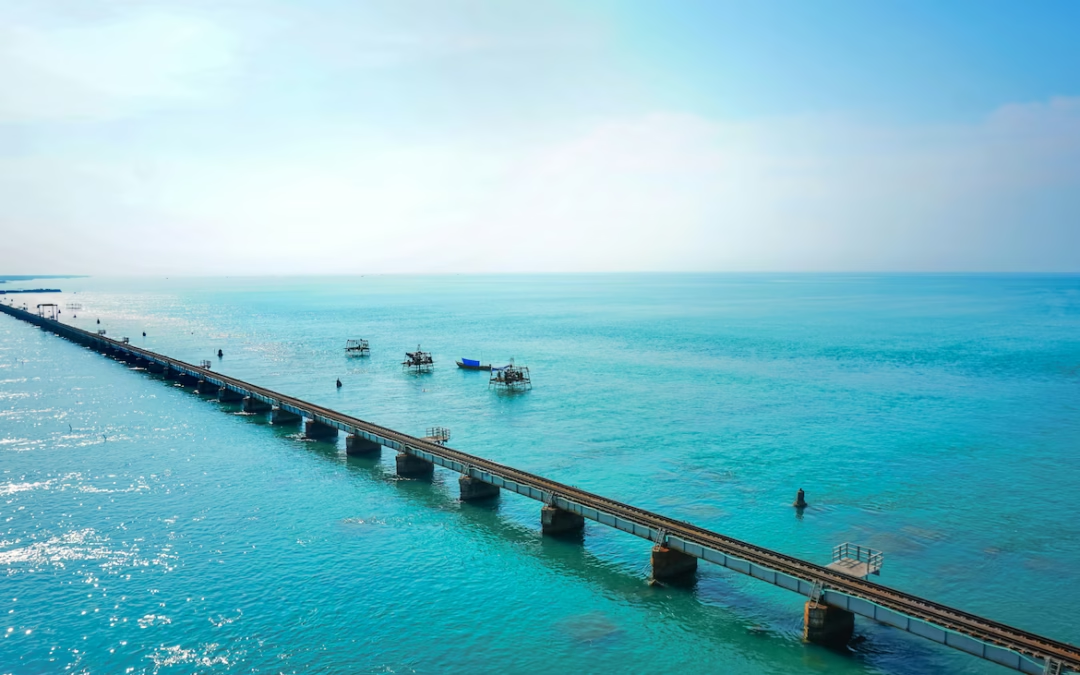
- Reaching Kurusadai: The island is reachable only by boat. Trips are operated by the Forest Department and local cooperatives, typically from the Mandapam jetty. The boat ride is approximately 30 minutes and passes under the scenic Pamban Bridge.
- Permission: Mandatory from the Tamil Nadu Director of Fisheries or Forest Department. Access is regulated to prevent ecological damage and maintain the island’s scientific value.
- Visiting Hours: Generally, trips run in the morning before noon and the early afternoon, subject to weather. Group sizes may be limited to preserve the sensitive habitats.
Conservation Challenges
Kurusadai Island, though safeguarded by the Biosphere Reserve, faces ongoing threats:
- Erosion and sea-level rise due to climate change.
- Illegal fishing or poaching of marine resources.
- Tourist pressure if visitor numbers surpass sustainable limits.
- Plastic and marine debris are washing in from the wider Gulf.
The government and local organizations are vigilant in enforcing regulations and promoting awareness. Continued scientific research, strict ecotourism guidelines, and active restoration of degraded habitats (particularly reefs and mangroves) are all pivotal to the island’s future.
Kurusadai Island epitomizes the harmonious co-existence of nature, science, and sustainable tourism. With its kaleidoscopic underwater ecosystems, living fossils, and careful protection, it stands as a reminder of the wonders that dedicated conservation can preserve. Whether you are a marine biologist, a naturalist, or a traveler seeking offbeat adventure, Kurusadai promises an experience that is both tranquil and profound—one that deepens our connection to the living blue planet.
If you plan a visit, do so with humility and respect, for you are stepping into one of India’s most fascinating, fragile, and sacred natural sanctuaries.